Align
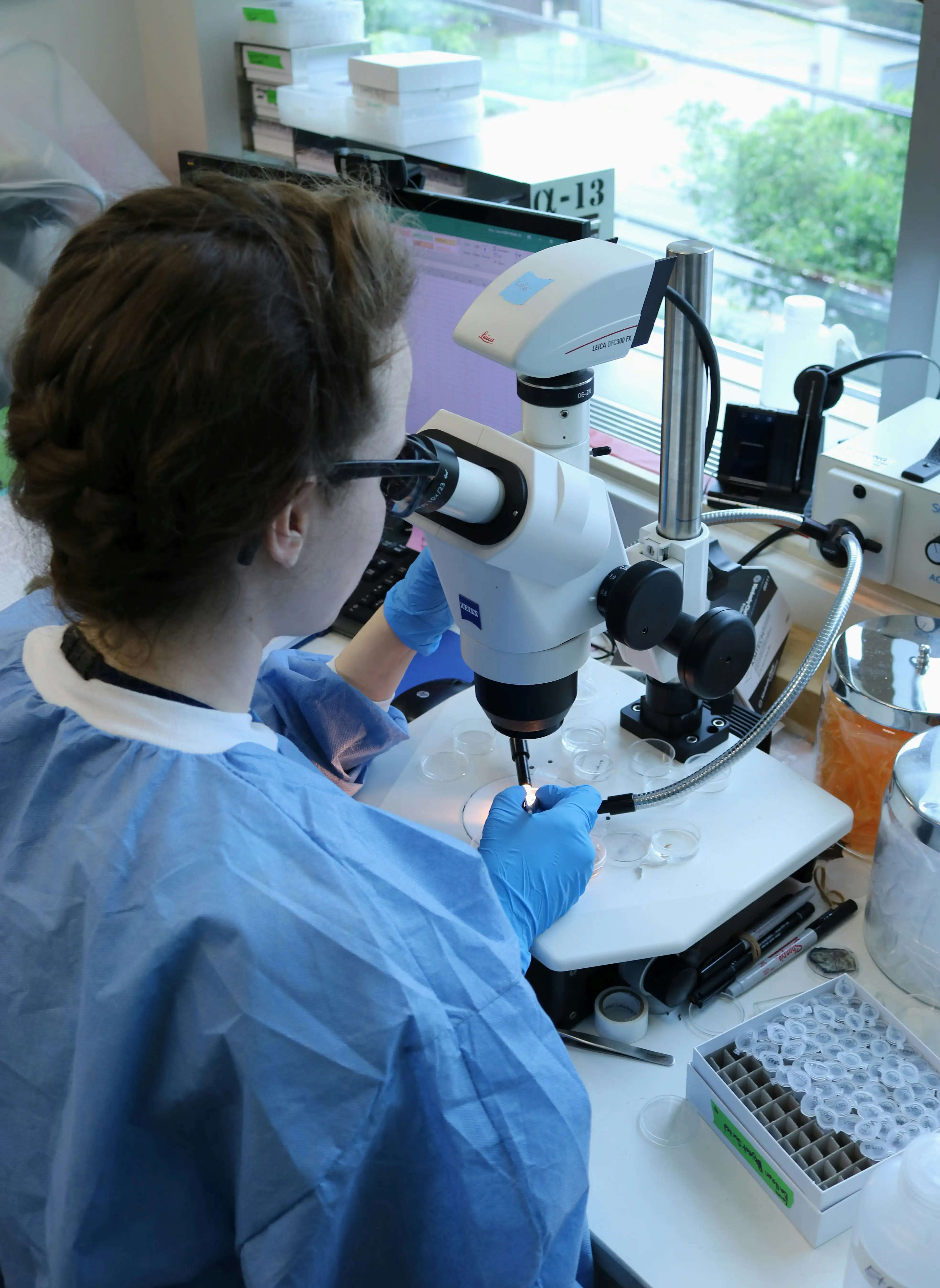
We started by deeply understanding the reality of community oncologists. Many see 20–30 patients per day across multiple cancer types, while precision oncology evolves at an overwhelming pace. New clinical trials, FDA approvals, molecular tests, and research papers are published constantly, making it nearly impossible to stay up to date.
Through open interviews with community, specialized, and research-oriented oncologists, as well as pharmaceutical representatives, we mapped current workflows, pain points, and decision-making practices. This allowed us to build a robust user persona and clearly define where technology could truly help.

Prioritize
From this discovery work, we identified the core challenge: information overload.
Oncologists were forced to jump between multiple sources, manually interpret complex reports, and spend valuable time researching instead of focusing on patient care.
We framed a key question to guide prioritization:
Is the value proposition strong enough to drive oncologists to adopt a new platform?
Based on this, we prioritized solutions that could:
Centralize fragmented medical knowledge
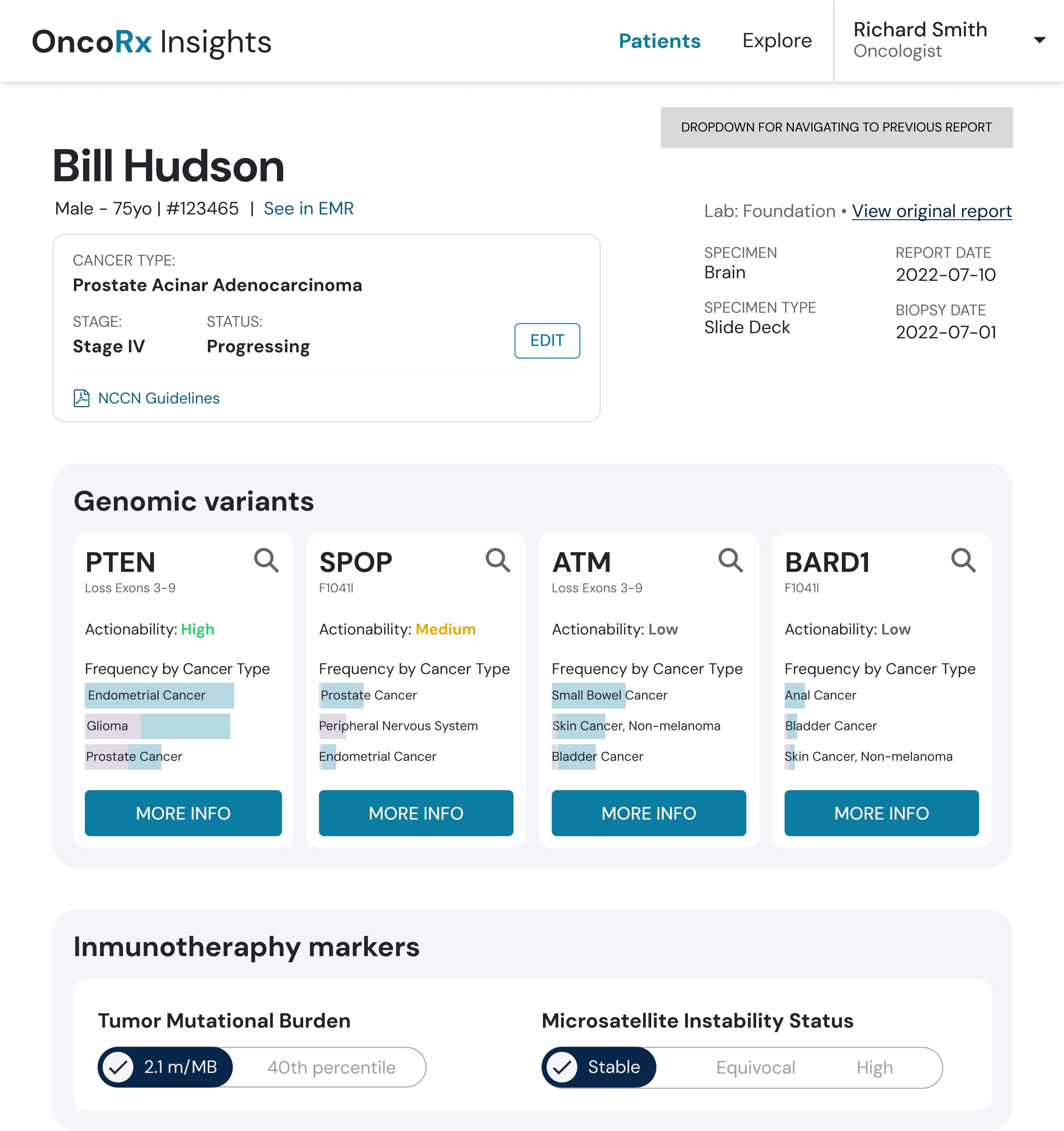
Simplify report interpretation
Surface relevant treatment insights faster

Faster access
to emerging treatment insights
Reduced research time
through centralized medical knowledge

Prove
We ran a design sprint to explore and test multiple solution directions. The strongest concepts shifted focus from “more data” to better insight.
Key concepts validated through prototyping and testing included:
Unified reports view
A tailored visualization that makes complex results easier and faster to understand.AI-enhanced insights
Automated insights generated through AI and ML processes to support faster research and interpretation.Centralized medical knowledge
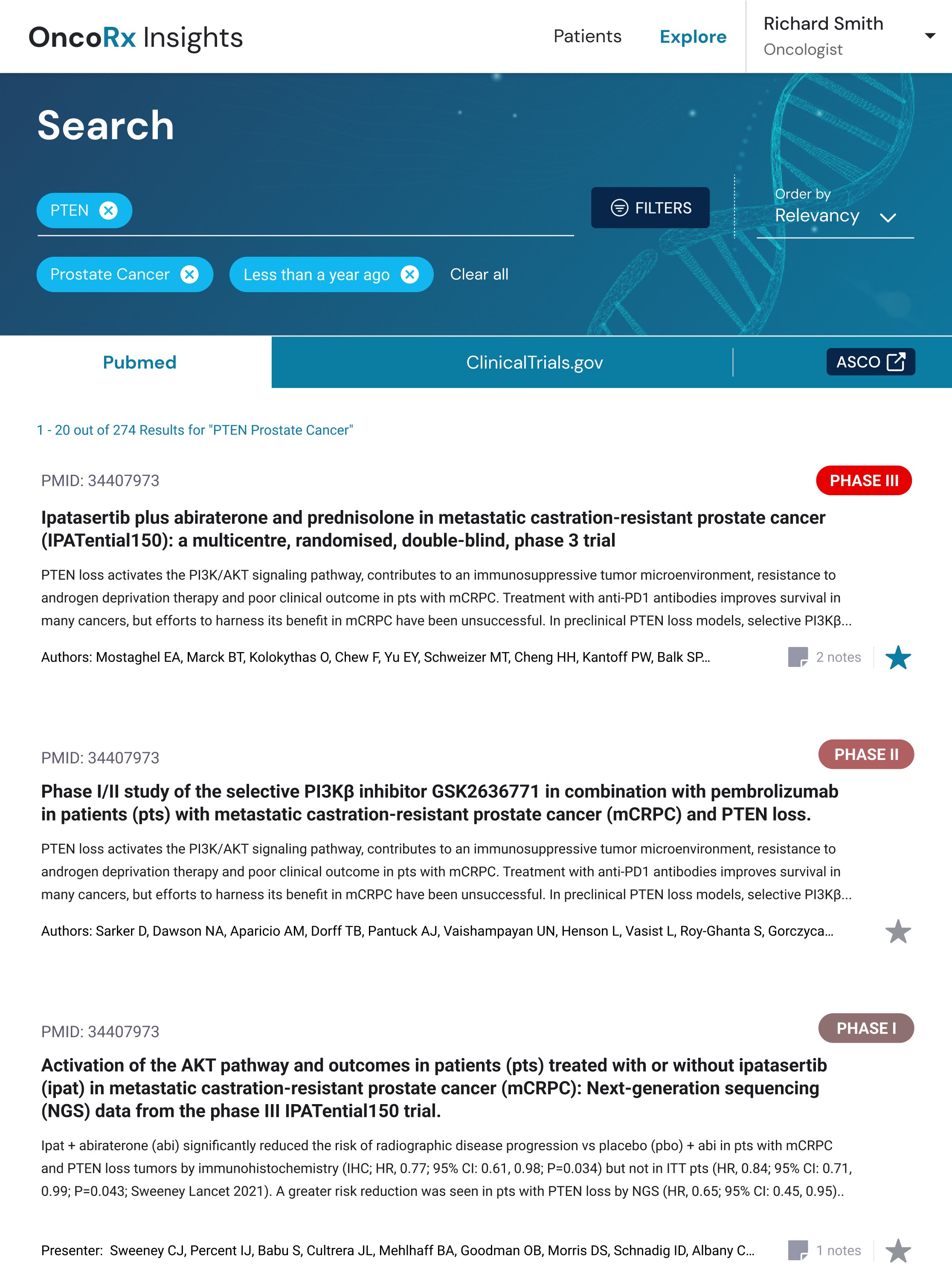
One-click access to multiple research sources, including PubMed, eliminating the need to browse different platforms.
These ideas were iterated and tested with oncologists to ensure they aligned with real-world clinical workflows.

Integrate
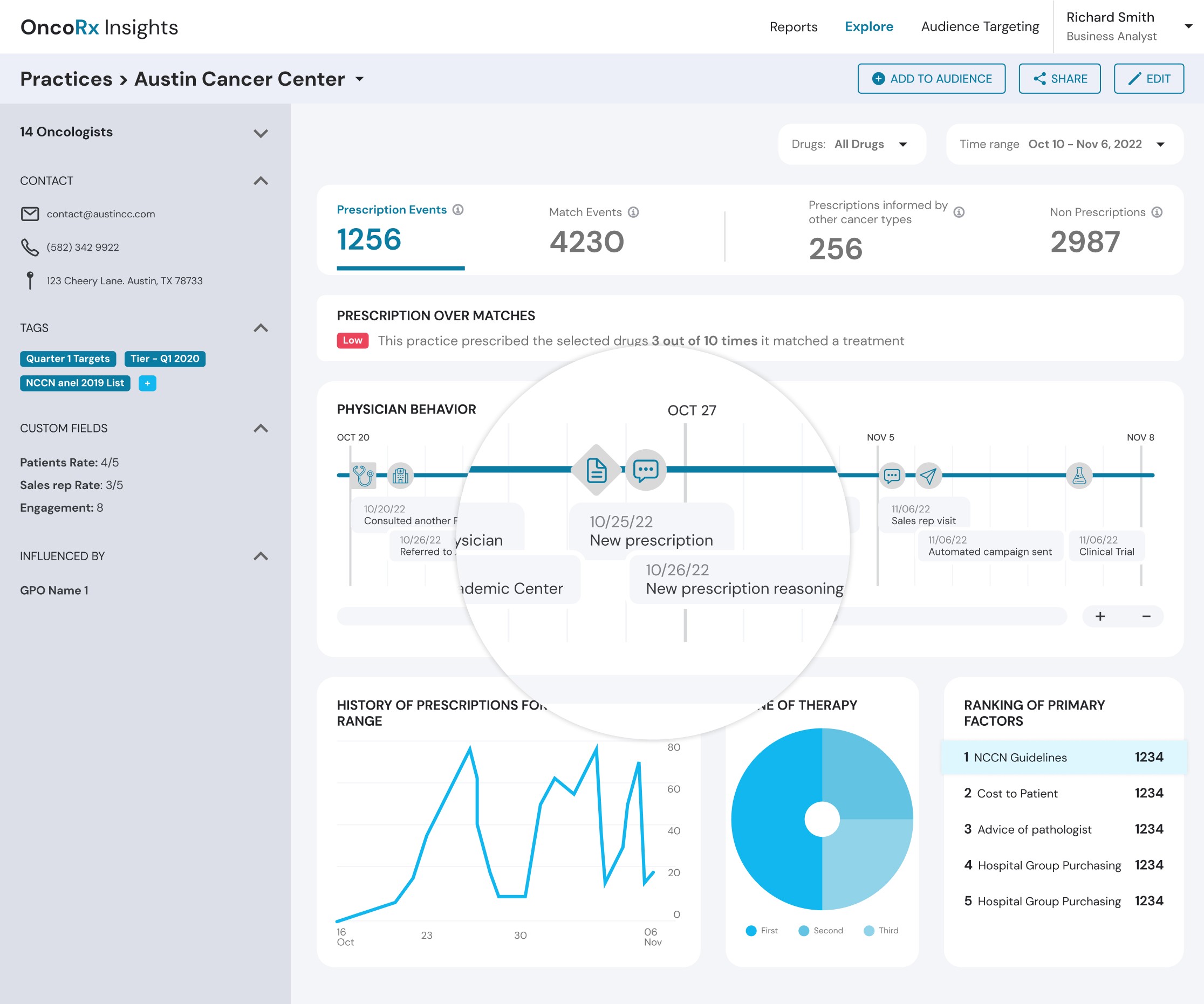
We refined the product by working closely with oncologists on real cases. By observing how they analyze information, collaborate, and make decisions, we iterated on both interaction flows and information architecture.
Additional capabilities included:
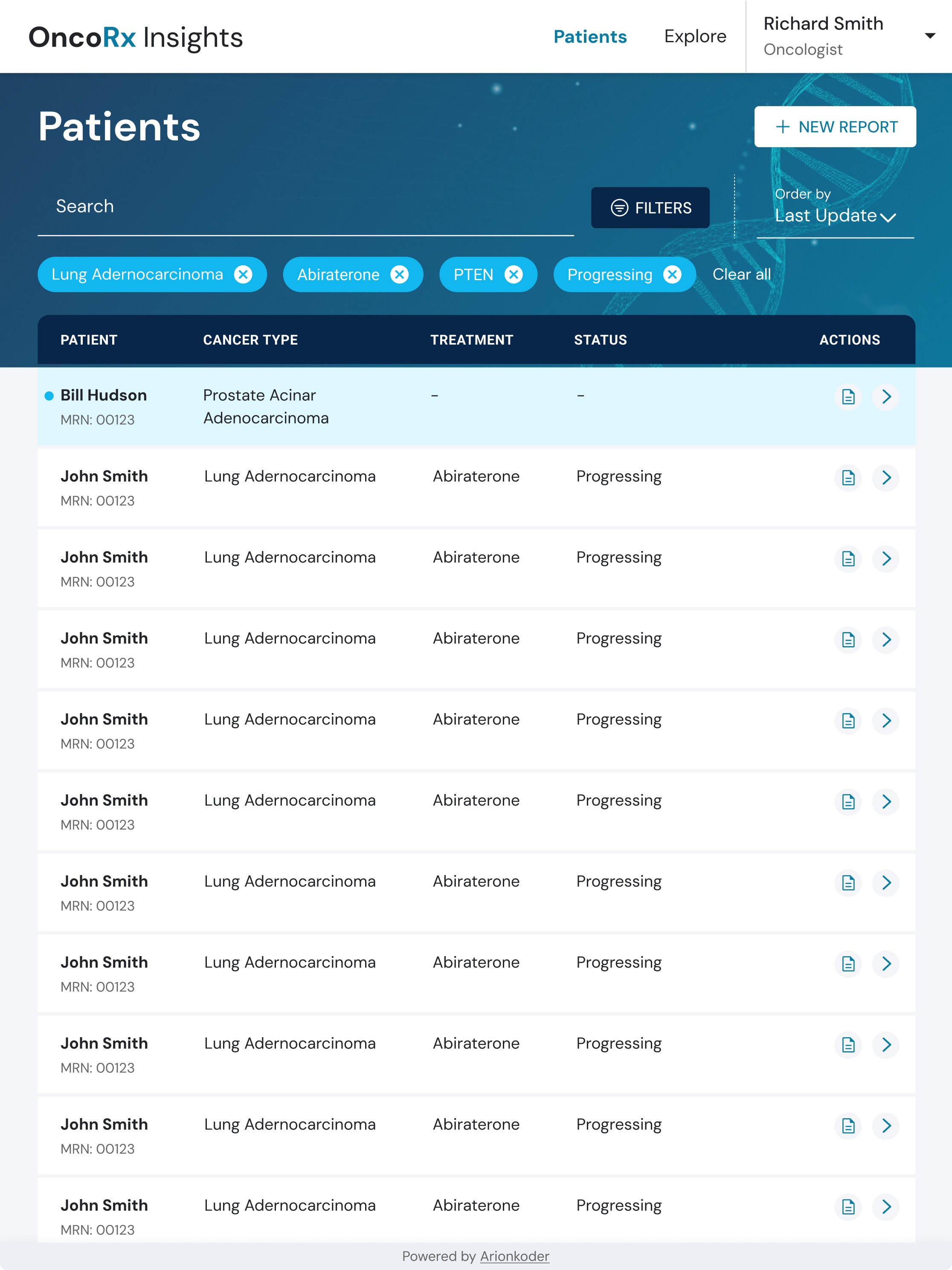
Advanced search and filters by cancer type, keywords, and timeframes
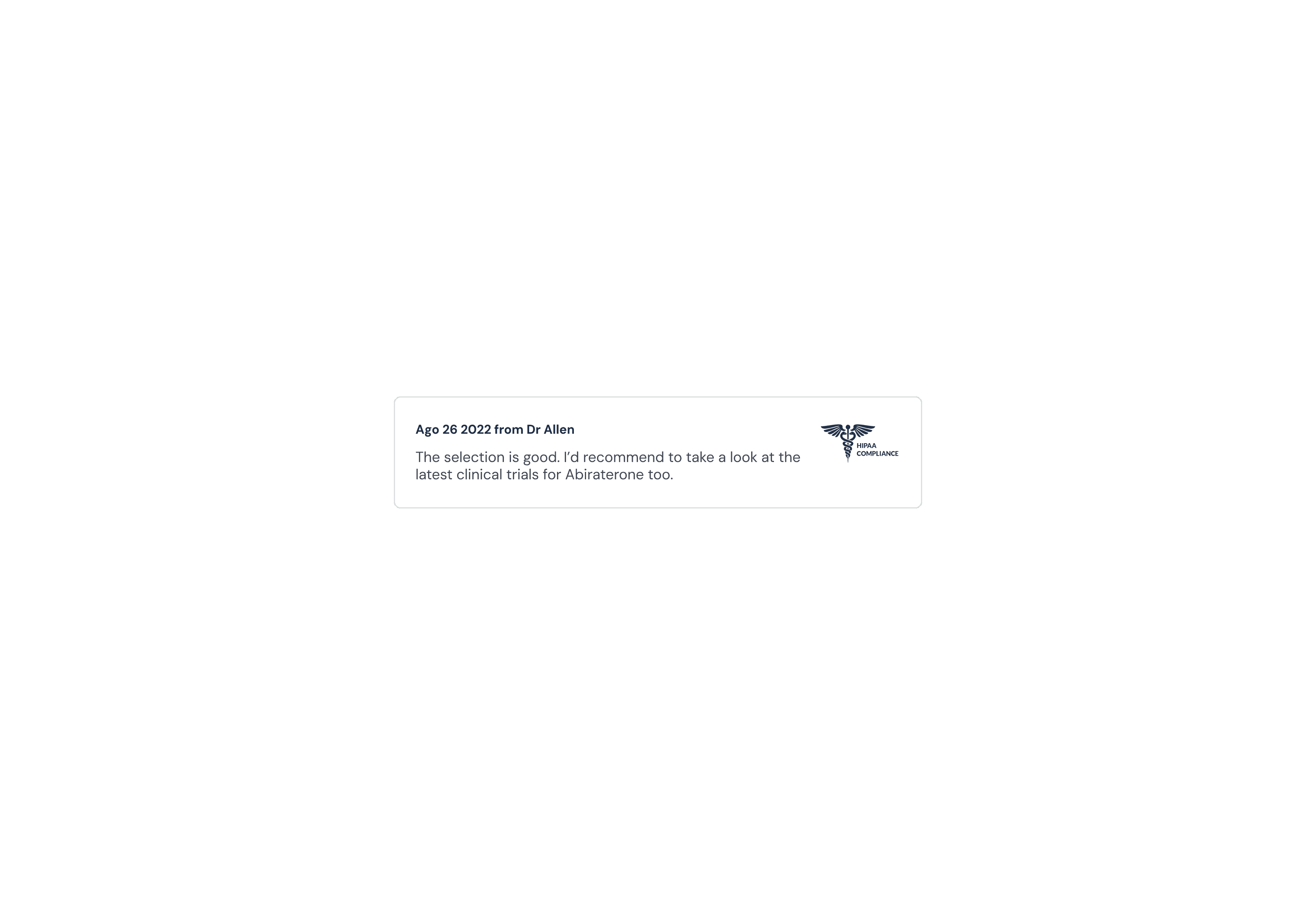
Collaborative virtual boards with HIPAA-compliant sharing and commenting
A user experience designed to fit naturally into existing clinical practices
This ensured the platform felt supportive rather than disruptive.
Improved clinical decision-making
through centralized medical knowledge
Scale
Our holistic, user-driven approach uncovered further opportunities for growth beyond the initial scope. The work established a strong alignment between Arionkoder and OncoRx, creating a clear roadmap for future exploration and expansion.
The result was not just a validated product direction, but a scalable foundation for continued innovation in precision oncology.
